

Two violins, two centuries, one surprising connection
Alberts After Four | Bach & Bartók
What does an 18th-century German composer have in common with a 20th-century Hungarian who travelled from village to village recording folk songs? More than you might think. Johann Sebastian Bach and Béla Bartók both heard extraordinary possibilities in the violin. They just started in very different places.
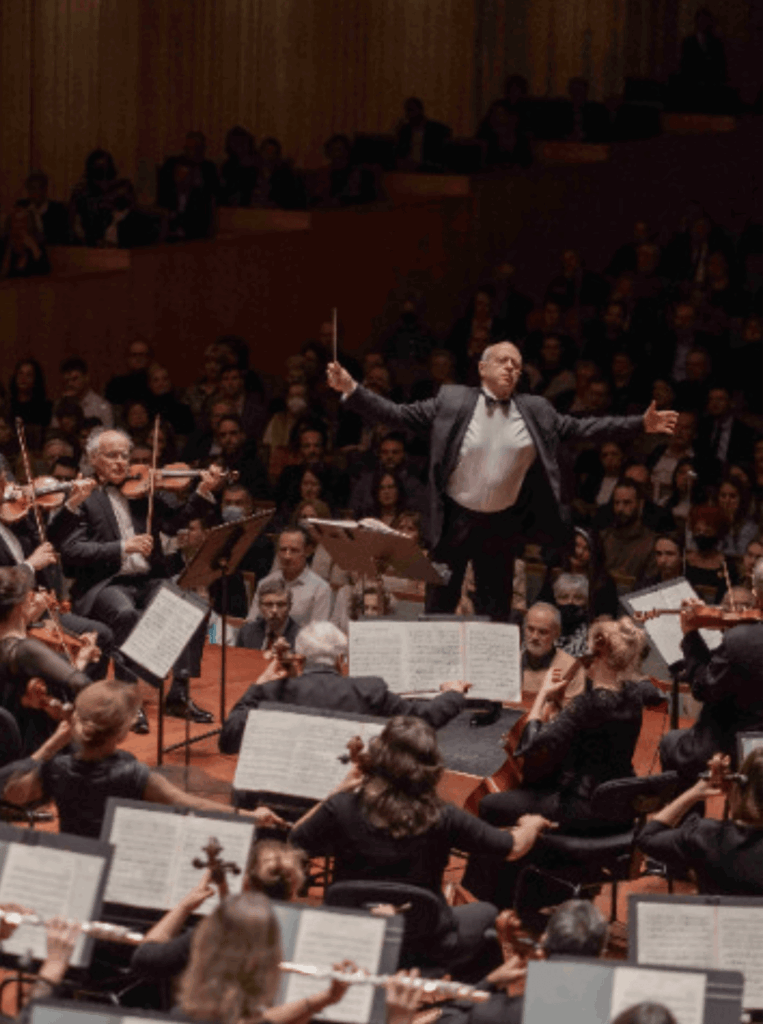
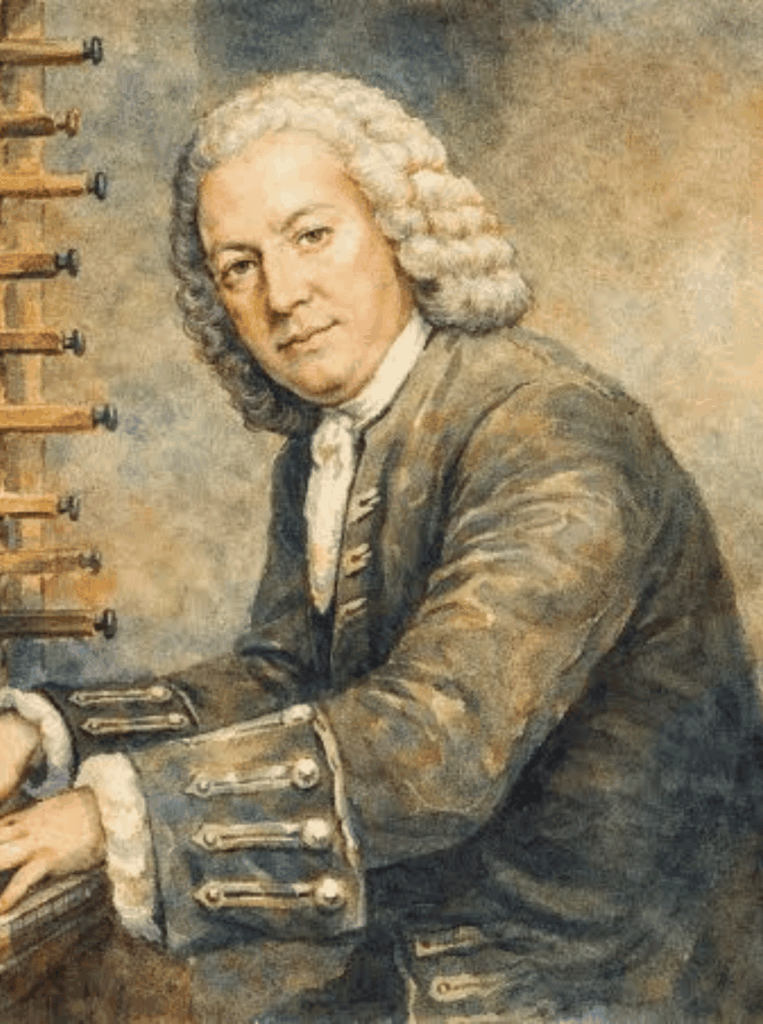
Bach: one violin, a whole orchestra
In 1720, Bach brought together six works for solo violin. His Partita No. 2 is among them. With no piano or orchestra to lean on, the violinist has to carry the rhythm, melody and harmony alone. Listen closely and a single instrument can sound like several musicians answering one another.
Bach also knew when two violins could have more fun than one. In his Concerto for Two Violins, the soloists trade phrases, overlap and chase each other through the music. Neither spends long waiting for a turn.
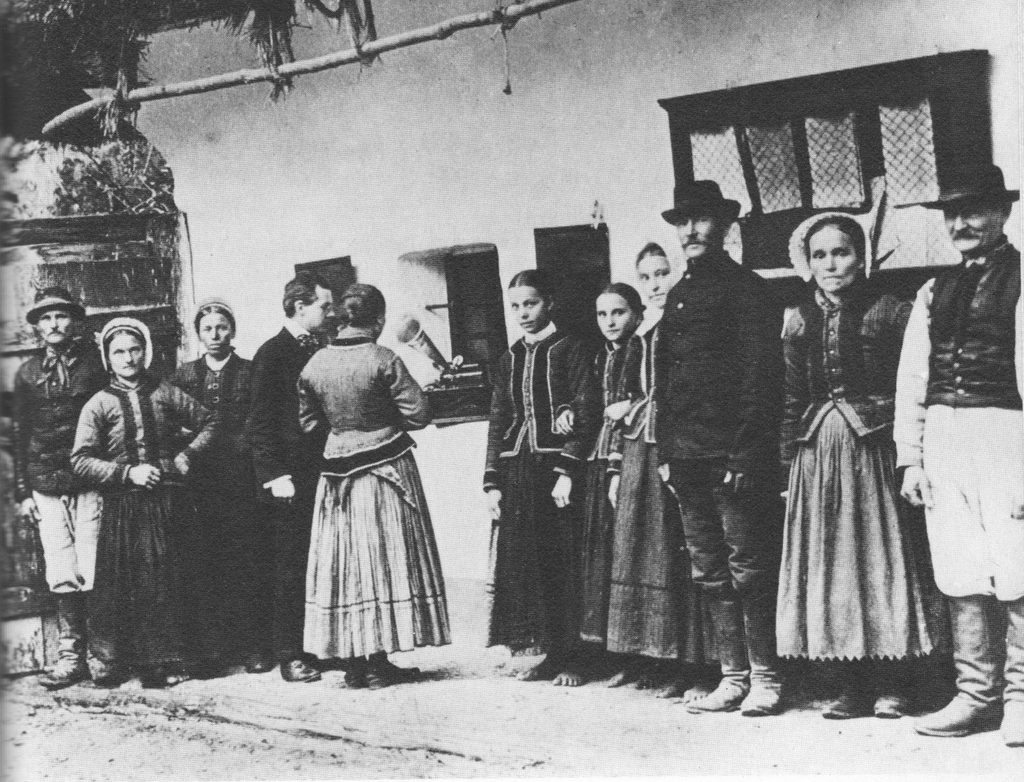
Bartók recording folk singers in 1908.
Bartók: music with mud on its shoes
More than two centuries later, Bartók went looking for music beyond the concert hall. He travelled to hear and record traditional songs, preserving the voices and melodies of the people who sang them. Those discoveries became part of his own musical language.
You can hear that spirit in his 44 Duos for Two Violins. Written in 1931, the short pieces draw largely on folk themes from several traditions. Some dance. Some tease. Others turn a simple tune into a lively conversation between two players.
Bach gives the violin intricate lines to follow; Bartók lets a village tune take an unexpected turn. Put them together and you hear how much two violins can say across two centuries.
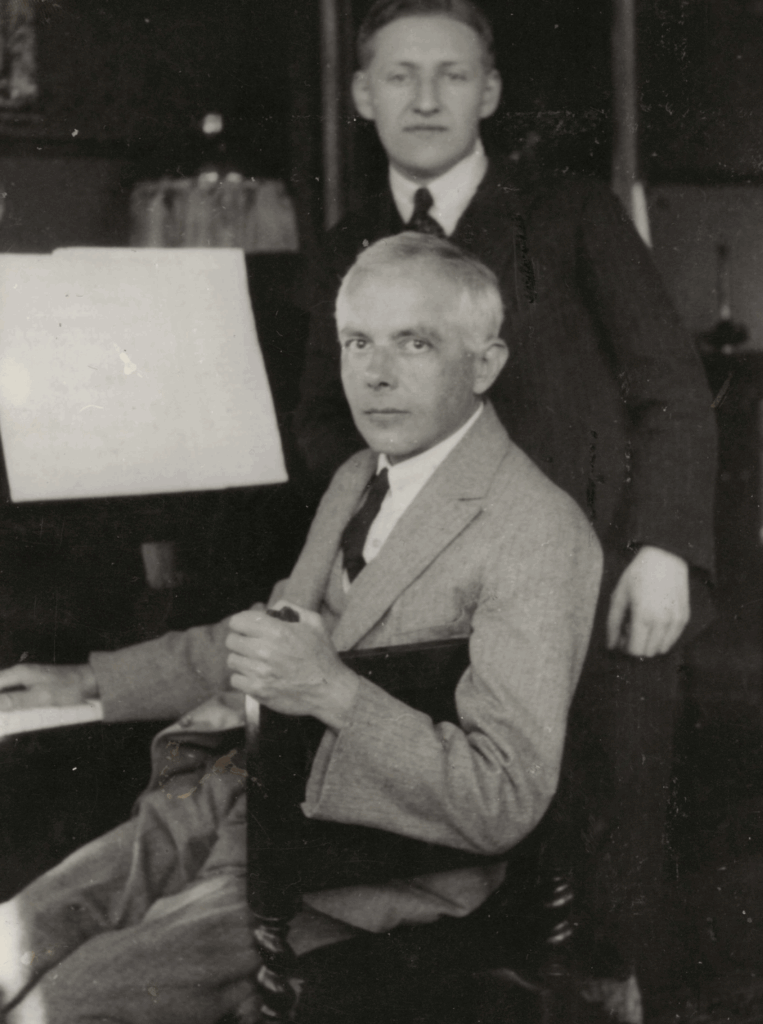
Hear them at Alberts After Four: Bach & Bartók on Wednesday 21 October, 4.30–5.30 pm, in the 1 Albert Street Club Lounge. No classical music homework required.